
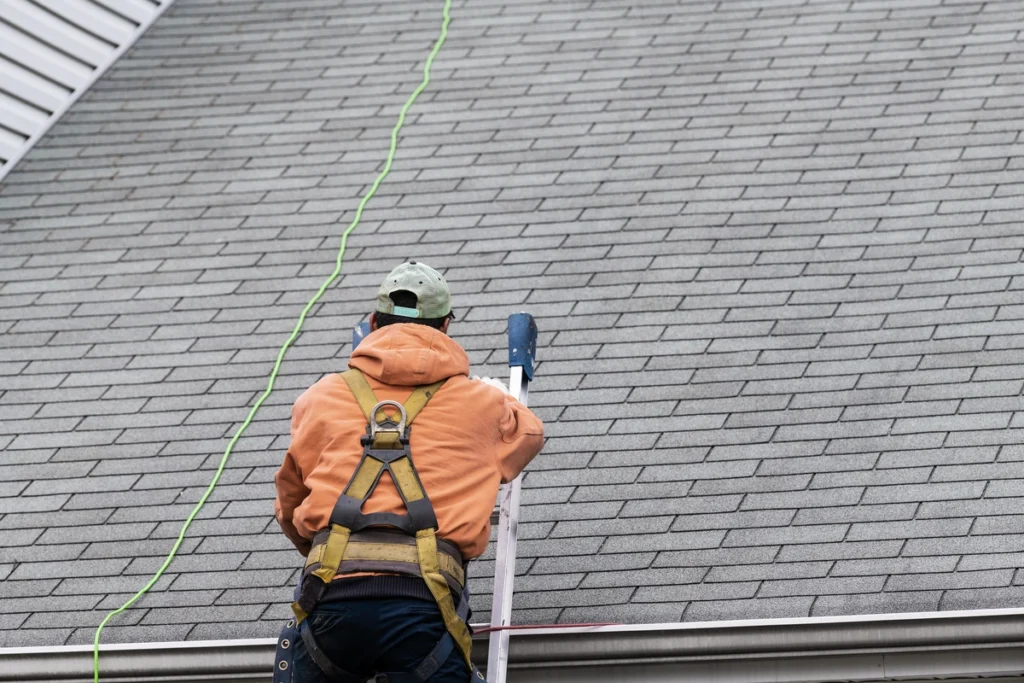
Maintaining a home involves numerous tasks, but one of the most crucial is ensuring the integrity of your roof. Regular roof inspections are essential to identify potential issues early and prevent costly repairs down the line. Whether you’re a seasoned homeowner or new to property ownership, having a comprehensive roof inspection checklist can help you keep your roof in top condition. In this guide, we will walk you through a detailed roof inspection checklist, providing you with the knowledge and confidence to assess your roof’s health, including:
Ready to Ensure Your Roof is in Top Shape? Whether you want a thorough professional inspection or advice on roofing materials, Dreamworx Roofing has you covered. Schedule Your Roof Inspection or See Our Services today!
- Why regular roof inspections are important
- When to inspect your roof
- 8 step roof inspection checklist
- Additional tips for roof inspections
- Common roof issues and how to address them
- When to call a professional
???? Why Regular Roof Inspections Are Important

Before diving into the checklist, it’s essential to understand why regular roof inspections are crucial:
- Preventative Maintenance: Early detection of minor issues can prevent them from becoming major, costly repairs.
- Prolonged Roof Lifespan: Regular maintenance can extend the life of your roof, saving you money in the long run.
- Protect Home Value: A well-maintained roof enhances your home’s curb appeal and overall value.
- Safety: Identifying potential hazards, such as loose shingles or leaks, can prevent accidents and damage to your home.
???? When to Inspect Your Roof
Knowing the best times to inspect your roof can help you prevent problems before they escalate. Regular inspections should be scheduled at least twice a year, ideally in the spring and fall, to catch any seasonal damage. However, certain events may necessitate additional inspections to ensure your roof remains in excellent condition.
- Seasonal Inspections: It’s advisable to inspect your roof at least twice a year, ideally in spring and fall.
- After Severe Weather: Check your roof after significant weather events, such as heavy storms, high winds, or hail.
- Pre-Purchase Inspection: If you’re buying a home, ensure a thorough roof inspection is part of the pre-purchase process.
- After Major Repairs: Inspect your roof after any major repair work to ensure the job was done correctly.
???? 8 Step Roof Inspection Checklist
Keeping your roof in top condition requires a systematic approach to inspections. Our 8 Step Roof Inspection Checklist is designed to guide you through the essential aspects of roof maintenance, ensuring no detail is overlooked. This checklist will help you identify any potential issues early, maintaining the integrity and longevity of your roof.
1. Safety First
- Ladder Safety: Ensure your ladder is in good condition and positioned securely.
- Weather Conditions: Avoid inspecting your roof in wet or windy conditions.
- Protective Gear: Wear appropriate clothing, including non-slip shoes and gloves.
- Companion: If possible, have someone assist you for added safety.
2. Ground Level Inspection
Before climbing onto the roof, start with a ground-level inspection:
- Binoculars: Use binoculars to get a close look at the roof without climbing up.
- Visible Damage: Look for any visible signs of damage, such as missing or curled shingles.
- Debris: Check for debris buildup, such as leaves or branches, which can trap moisture and cause damage.
- Gutters and Downspouts: Ensure gutters and downspouts are securely attached and free of blockages.
3. Roof Surface Inspection
Once you’ve completed the ground-level inspection, it’s time to get up close and personal with your roof:
- Shingles: Check for missing, cracked, or curled shingles. Look for any signs of granule loss, which can indicate aging shingles.
- Flashing: Inspect the flashing around chimneys, vents, and skylights for signs of rust, cracks, or lifting.
- Ventilation: Ensure all vents are clear of obstructions and in good condition.
- Moss and Algae: Look for moss or algae growth, which can trap moisture and cause damage. Clean any affected areas carefully.
- Nail Pops: Check for nails that have popped up, which can be a sign of underlying issues.
4. Roof Edges and Eaves
The edges and eaves of your roof are critical areas that require close attention:
- Drip Edges: Ensure drip edges are in place and not damaged. They help direct water away from the fascia and prevent water damage.
- Fascia and Soffit: Inspect these areas for signs of rot, damage, or animal activity.
- Ice Dams: In colder climates, check for evidence of ice dams, which can cause significant damage.
5. Chimneys and Skylights
These areas are prone to leaks and require careful inspection:
- Chimney Cap: Ensure the chimney cap is intact and securely in place to prevent water entry.
- Skylight Seals: Check the seals around skylights for cracks or deterioration.
- Brick and Mortar: Inspect the brick and mortar of your chimney for any signs of damage or wear.
6. Attic Inspection
An often-overlooked part of roof inspections is the attic:
- Leaks: Look for any signs of water intrusion, such as stains, dampness, or mold.
- Insulation: Ensure your attic insulation is dry and evenly distributed.
- Ventilation: Check that attic vents are clear and functioning properly to allow for adequate airflow.
7. Gutters and Downspouts
Gutters and downspouts play a crucial role in directing water away from your home:
- Cleanliness: Ensure gutters are clean and free of debris.
- Secure Attachments: Check that gutters and downspouts are securely attached to the house.
- Proper Flow: Ensure water flows freely through the gutters and downspouts and is directed away from your home’s foundation.
8. Interior Inspection
Sometimes, the first signs of roof issues appear inside your home:
- Ceilings and Walls: Look for water stains, peeling paint, or sagging ceilings, which can indicate a roof leak.
- Attic Access: If you have attic access, inspect the underside of the roof decking for water stains or damage.
???? Additional Tips for Roof Inspections
In addition to regular inspections and maintenance, there are several extra steps homeowners can take to ensure their roofs remain in optimal condition. These additional tips focus on specific aspects that might be overlooked during routine inspections but are crucial for long-term roof health.
- Document Findings: Take photos and notes of any issues you find during your inspection. This documentation can be helpful for repairs or when working with a professional roofer.
- Regular Maintenance: Keep your roof in good condition by performing regular maintenance tasks, such as cleaning gutters and removing debris.
- Professional Help: If you’re unsure about any aspect of your roof inspection or find significant damage, don’t hesitate to contact a professional roofer for assistance.
???? Common Roof Issues and How to Address Them
Understanding common roof issues can help you take appropriate action when problems arise:
- Leaks: Leaks are often caused by damaged shingles, flashing, or seals around vents and chimneys. Address leaks promptly to prevent water damage.
- Shingle Damage: Missing, cracked, or curled shingles should be replaced as soon as possible to maintain the roof’s integrity.
- Flashing Problems: Damaged flashing can lead to leaks around chimneys, vents, and skylights. Ensure flashing is properly sealed and in good condition.
- Moss and Algae Growth: Clean moss and algae from your roof to prevent moisture retention and damage. Use a gentle cleaning solution and avoid pressure washing.
- Ventilation Issues: Proper ventilation is essential for preventing moisture buildup and extending the life of your roof. Ensure all vents are clear and functioning correctly.
- Gutter Blockages: Keep gutters clean and free of debris to ensure proper water flow and prevent water damage to your roof and home.
- Ice Dams: In colder climates, ice dams can cause significant damage. Ensure proper attic insulation and ventilation to prevent ice dams from forming.
???????? When to Call a Professional

While many roof inspection tasks can be handled by homeowners, certain situations warrant the expertise of a professional roofer:
- Extensive Damage: If you find significant damage, such as large leaks or widespread shingle loss, contact a professional for a thorough assessment and repairs.
- Safety Concerns: If you’re uncomfortable or unsure about inspecting your roof safely, it’s best to hire a professional.
- Complex Repairs: Some repairs, such as flashing replacement or extensive shingle work, are best handled by experienced roofers.
- Annual Inspections: Consider hiring a professional for an annual roof inspection to ensure no issues are overlooked.
???? Ensure Your Home’s Integrity with Regular Roof Inspections by Dreamworx Exteriors
Regular roof inspections are crucial for home maintenance, saving you time, money, and stress in the long run. At Dreamworx Exteriors, our team is the one you can trust for all your roofing needs. We follow a comprehensive roof inspection checklist to confidently assess your roof’s condition and address any issues promptly. When in doubt, our professional roofers are always ready to help. Trust Dreamworx Exteriors to maintain your roof and protect your home and family for years to come. Contact us today to schedule your inspection!
