
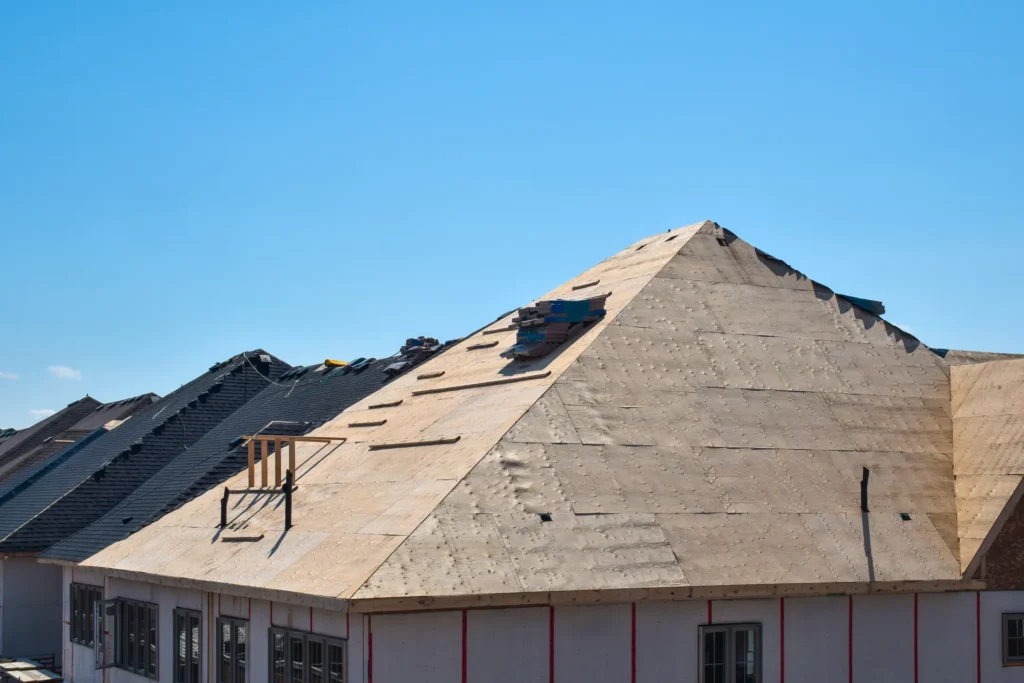
Are you a homeowner curious about the intricacies of your roof? You’ve likely heard the term “roof sheathing” but might not know exactly what it entails. Understanding roof sheathing is crucial for maintaining the durability and safety of your home. In this blog post, we’ll break down what roof sheathing is, its importance, and how to ensure it remains in top condition, including:
- What is Roof Sheathing?
- The Role of Roof Sheathing
- Benefits of Roof Sheathing
- Installation Process of Roof Sheathing
- 8 Ways Roof Sheathing Can Get Damaged
- Maintenance Tips for Roof Sheathing
🤔 What is Roof Sheathing?
Roof sheathing, also known as roof decking, is the layer of material between the roof’s structural components (trusses and joists) and the outer roofing material (shingles, metal roofing, etc.). It serves as a foundation for the roof covering and provides structural support.
Historical Background
Historically, roof sheathing has evolved from simple wooden planks to advanced engineered materials designed for enhanced durability and performance. Initially, roofs were covered with thatch or wooden shingles, but as building techniques progressed, the need for stronger, more reliable sheathing became evident. This evolution reflects advancements in building technology, including the development of pressure-treated wood and composite materials, as well as a deeper understanding of roofing needs, such as moisture resistance and insulation properties.
Modern Roof Sheathing
In modern construction, roof sheathing is typically made from plywood or oriented strand board (OSB). Plywood, made from layers of wood veneer, offers excellent structural strength and is resistant to warping. OSB, composed of engineered wood strands, provides a cost-effective alternative with comparable strength. These materials offer a good balance between cost, strength, and ease of installation, making them popular choices for residential roofing. Additionally, they contribute to better energy efficiency and overall roof performance, ensuring long-term durability for homes.
👇 The Role of Roof Sheathing
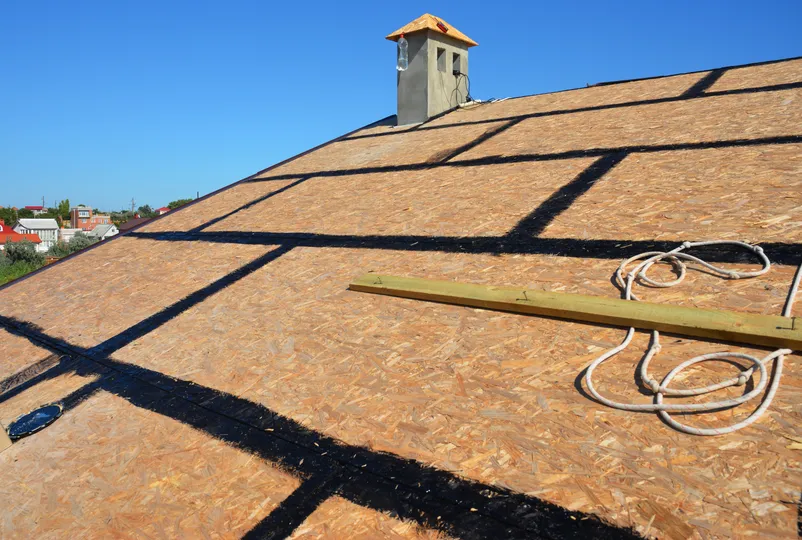
Roof sheathing plays a crucial role in providing structural support and stability to a roof while also acting as a barrier against moisture and the elements. Understanding its importance is essential for ensuring the longevity and durability of roofing systems.
Structural Support
Roof sheathing provides critical structural support to the roof by distributing weight evenly across the trusses. This helps prevent sagging and maintains the roof’s integrity over time.
Weather Barrier
One of the key roles of roof sheathing is acting as a weather barrier. It prevents rain, snow, and wind from penetrating the roof and damaging the interior of your home.
Insulation Support
Roof sheathing also supports insulation materials, helping to keep your home energy-efficient. Properly installed sheathing can reduce energy costs by maintaining a stable indoor temperature.
Types of Roof Sheathing Materials
When it comes to constructing or renovating a roof, choosing the right sheathing material is crucial for durability and insulation.
- Plywood: Plywood is a traditional choice for roof sheathing. It is made by gluing together multiple layers of wood veneers. Plywood is known for its strength and durability, making it a reliable option for many homes.
- Oriented Strand Board (OSB): OSB is an engineered wood product made from strands of wood compressed with adhesives. It is often more cost-effective than plywood while offering comparable strength and durability.
- Metal: Metal is a durable option for roof sheathing, offering excellent strength and resistance to various weather conditions. It is particularly beneficial in applications where longevity and fire resistance are priorities.
- Fiber Cement: Fiber cement is another alternative for roof sheathing, known for its enhanced fire resistance and durability. This material is often used in specific applications where additional strength is required, making it a reliable choice for many roofing projects.
✅ Benefits of Roof Sheathing
Roof sheathing plays a crucial role in the overall stability and durability of a building. It provides a solid base for roofing materials, enhances insulation, and helps protect against weather elements, making it an essential component of any roofing system.
Enhanced Structural Integrity
Proper roof sheathing enhances the overall structural integrity of your roof, ensuring that it can withstand heavy snow loads, strong winds, and other environmental stresses.
Improved Energy Efficiency
By providing a solid base for insulation, roof sheathing helps improve your home’s energy efficiency, reducing heating and cooling costs.
Increased Roof Lifespan
Quality roof sheathing can significantly extend the lifespan of your roof by providing a stable foundation and protecting against various forms of damage.
How to Choose the Right Roof Sheathing
Choosing the right roof sheathing is crucial for ensuring the durability and effectiveness of your roofing system.
Consider Your Climate
The choice of roof sheathing material should consider your local climate. In areas with heavy snowfall or high humidity, plywood may be preferred for its superior moisture resistance.
Assess Your Budget
While OSB is generally more affordable, plywood may offer better long-term value due to its durability. Assess your budget and weigh the initial costs against potential long-term savings.
Consult a Professional
Consulting with a professional roofing contractor can help you make an informed decision. They can assess your specific needs and recommend the best sheathing material for your home.
🛠️ Installation Process of Roof Sheathing
The installation process of roof sheathing is a crucial step in ensuring the structural integrity and durability of a roofing system.
Preparation
Proper preparation is essential for a successful roof sheathing installation. This involves thoroughly removing old roofing materials to expose the roof deck and checking the underlying structure for any damage or weaknesses, such as rot or mold, which could compromise the integrity of the new sheathing.
Installation Steps
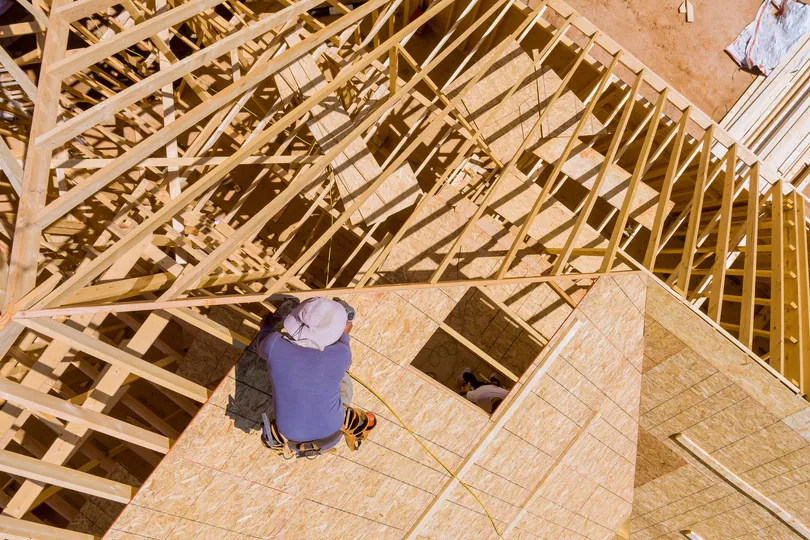
Measure and Cut: Begin by accurately measuring the roof’s dimensions, taking into account any overhangs, valleys, or ridges. Cut the sheathing panels to size using a saw, ensuring clean edges for a better fit.
Position and Secure: Once the panels are cut, position them on the roof, ensuring they are properly aligned with one another and the roof structure. Secure the panels using nails or screws, making sure to follow the manufacturer’s guidelines for spacing and placement to ensure maximum stability.
Seal the Seams: After positioning the panels, apply a waterproof sealant to the seams between them. This step is crucial to prevent moisture infiltration, which can lead to mold growth and deterioration of the sheathing.
Final Inspection
Once the sheathing is installed, conduct a thorough final inspection to ensure there are no gaps, loose panels, or misalignments. Properly installed sheathing should be flat and secure, providing a solid foundation for the roofing material, which will help protect your home from the elements and extend the lifespan of your roof.
🏚️ 8 Ways Roof Sheathing Can Get Damaged
Roof sheathing plays a crucial role in the overall integrity of your roofing system, but it can be vulnerable to various forms of damage. Understanding the common ways roof sheathing can be compromised is essential for maintaining a sturdy and long-lasting roof.
1. Water Infiltration
Water infiltration is the most common cause of damage to roof sheathing. When leaks develop in the roof, water can easily seep into the sheathing materials, which are often made of wood or plywood. This moisture exposure creates an environment conducive to rot and mold growth. Over time, rot can significantly weaken the structural integrity of the roof, leading to more extensive repairs. Additionally, mold can pose health risks to occupants and may require professional removal, further escalating repair costs.
2. Pests
Pests represent a considerable threat to roof sheathing, particularly types like termites and carpenter ants that thrive on wood. These insects can cause severe damage to the sheathing, compromising its strength and stability. An infestation can go unnoticed for long periods, leading to extensive structural damage that may necessitate complete sheathing replacement. Regular inspections and preventative measures, such as treatments and barriers, are crucial to mitigate the risk of pest-related destruction.
3. Physical Impact
Physical impacts from natural elements, such as falling branches or debris during severe weather events, can lead to significant damage to roof sheathing. These impacts can create dents, cracks, or even holes in the sheathing, which compromise the roof’s integrity. Prompt repairs are essential following such events to prevent further damage, including leaks and additional structural issues. Ensuring that trees are trimmed away from the roof and securing loose items can help minimize the risk of physical impact.
4. Thermal Expansion and Contraction
Extreme temperature fluctuations can lead to thermal expansion and contraction of the materials used in roof sheathing. This cycle of expansion and contraction can cause the sheathing to warp or weaken over time, leading to gaps and vulnerabilities that may allow water infiltration. The effects of changing temperatures can be more pronounced in areas with significant seasonal variations. Therefore, selecting appropriate materials and ensuring proper installation can mitigate the impacts of temperature changes.
5. Poor Installation
The quality of installation plays a crucial role in the performance of roof sheathing. If the sheathing is improperly installed, it can create vulnerabilities that increase the risk of water infiltration and structural problems. Issues such as inadequate fastening, misalignment, or using the wrong materials can compromise the roof’s effectiveness. Hiring experienced professionals for installation can help prevent these problems and ensure the roof performs as intended for years to come.
6. Age and Wear
As with any building material, roof sheathing is subject to natural wear and tear over time. Factors like exposure to the elements, temperature changes, and moisture can gradually degrade the sheathing’s effectiveness. Aging sheathing may become more susceptible to damage from water infiltration, pests, and other risks. Regular maintenance checks and timely repairs are essential to address age-related issues and prolong the lifespan of the roof.
7. Improper Ventilation
Proper attic ventilation is critical for maintaining a healthy roof environment. Poor ventilation can lead to excessive heat and moisture buildup, creating conditions that harm the sheathing. High humidity levels can encourage mold growth, while excessive heat can accelerate deterioration. Ensuring adequate airflow through vents helps regulate temperature and moisture levels, protecting the integrity of the sheathing and promoting a healthier indoor environment.
8. Snow and Ice Accumulation
Heavy snow or ice accumulation can put significant stress on a roof, leading to sagging or damage to the sheathing beneath. As snow and ice build up, the weight can exceed the roof’s load capacity, increasing the risk of structural failure. Moreover, melting and refreezing cycles can lead to ice dams, which can trap water against the roof and contribute to leaks. Regular snow removal and proper insulation and ventilation can help prevent these issues and maintain the roof’s structural health.
💡 Maintenance Tips for Roof Sheathing
Proper maintenance of roof sheathing is crucial for ensuring the longevity and integrity of your roof.
Regular Inspections
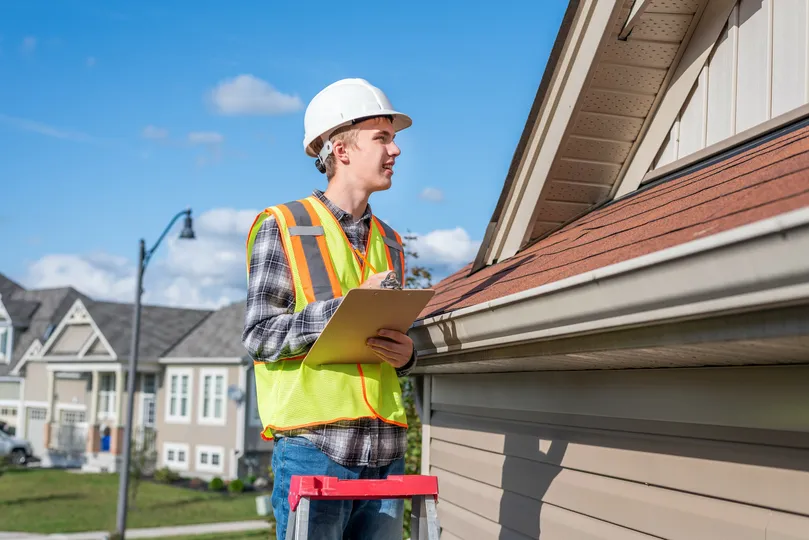
Regular inspections are crucial for identifying and addressing issues before they become major problems. Inspect your roof sheathing at least once a year or after severe weather events.
- Visual Inspection: A visual inspection can help identify obvious signs of damage, such as warping, swelling, or discoloration. Use a flashlight to inspect the attic for any signs of water infiltration.
- Physical Inspection: Gently press on the sheathing panels to check for soft spots, which may indicate rot or water damage. Ensure all panels are securely fastened and free of gaps.
- Professional Inspection: Hiring a professional roofing contractor for a thorough inspection can provide peace of mind. They have the expertise to identify and address issues that may not be immediately apparent.
Prompt Repairs
Addressing minor issues promptly can prevent them from escalating into significant damage. Regularly inspect your roof for signs of wear, such as cracked or missing shingles. It’s essential to replace damaged sheathing panels and seal any gaps to maintain the roof’s integrity, as neglecting these small repairs can lead to costly fixes down the line.
Professional Maintenance
Hiring professional roofing contractors can provide comprehensive maintenance services, ensuring your roof sheathing remains in optimal condition. These experts can conduct thorough inspections, identify potential problems early, and perform necessary repairs or replacements. Regular professional maintenance not only extends the life of your roof but also enhances energy efficiency and protects your home from adverse weather conditions.
🙌 Trust Dreamworx Roofing for Your Home’s Safety
Roof sheathing plays a vital role in maintaining the structural integrity and overall safety of your home. Proper installation, regular maintenance, and timely repairs can ensure your sheathing remains in top condition for years to come.
At Dreamworx Roofing, we understand the importance of quality roof sheathing. Our team of experts is dedicated to providing top-notch roofing services, ensuring your home remains safe, secure, and beautiful. With our commitment to quality and customer satisfaction, you can trust us with all your roofing needs.
Ready to protect your home with the best in the business? Reach out to Dreamworx Roofing today and experience the difference for yourself.
