
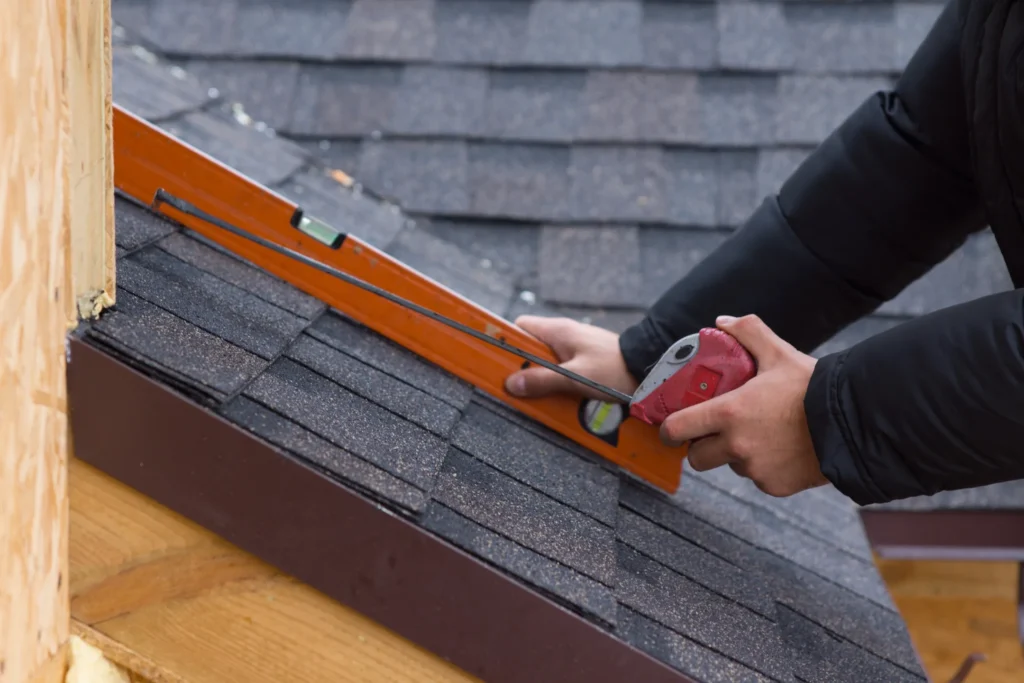
Calculating roof pitch is a critical skill for homeowners, DIY enthusiasts, and roofing professionals. Understanding your roof’s pitch allows you to make informed decisions about repairs, replacements, and new installations. Whether you’re planning a DIY project or just want to understand your home’s structure better, knowing how to calculate roof pitch is essential. In this guide, we’ll walk you through the entire process, including:
Not sure about your roof’s slope? Schedule a professional roof inspection to get accurate measurements and expert advice.
- What is roof pitch?
- Benefits of knowing your roof pitch
- Tools you’ll need
- 6 steps to calculate roof pitch
- Tips for measuring roof pitch
???? What is Roof Pitch?
Roof pitch refers to the steepness or slope of a roof. It is usually expressed as a ratio of the vertical rise to the horizontal run. For example, a roof with a pitch of 4/12 rises four inches for every twelve inches of horizontal distance.
Why Roof Pitch Matters
Understanding roof pitch is crucial for several reasons:
- Structural Integrity: The pitch affects how well your roof sheds water and snow.
- Material Selection: Different materials are better suited for different pitches.
- Aesthetic Appeal: The roof pitch can significantly impact the look of your home.
Common Roof Pitch Ratios
Most residential roofs fall within a pitch range of 4/12 to 9/12. However, flat roofs and steep roofs can have pitches outside this range.
- Low Pitch: 2/12 to 3/12
- Medium Pitch: 4/12 to 9/12
- High Pitch: 10/12 and above
✅ Benefits of Knowing Your Roof Pitch

Understanding your roof pitch is essential for various reasons, including ensuring proper drainage and selecting the right roofing materials. Knowing the angle of your roof can also aid in planning renovations or addressing maintenance needs effectively.
Improved Longevity
Knowing your roof pitch helps you choose the right materials, which can improve the longevity of your roof. Steeper pitches generally shed water and snow more effectively, reducing the risk of leaks and structural damage.
Cost-Effective Maintenance
Accurate knowledge of your roof pitch allows for better planning and cost-effective maintenance. You’ll be able to select appropriate materials and methods, saving both time and money.
Enhanced Safety
Understanding your roof’s pitch can also enhance safety during inspections and repairs. Knowing the slope can help you prepare better and take the necessary precautions.
???? Tools You’ll Need
Before you start, gather the following tools:
- Tape Measure: For measuring the horizontal run and the vertical rise.
- Level: A two-foot level is ideal for this task.
- Pencil and Paper: For noting down measurements and calculations.
- Calculator: To simplify the math.
Using a Roof Pitch Calculator
If math isn’t your strong suit, don’t worry. Numerous online calculators can help you determine your roof pitch quickly and accurately. Simply input your measurements, and the calculator will do the rest.
Recommended Roof Pitch Calculators
- RoofCalc.org: Comprehensive and user-friendly.
- Calculator.net: Offers a straightforward interface for quick calculations.
- Omni Calculator: Provides additional details and options for more complex roofs.
➗ 6 Steps to Calculate Roof Pitch
Here are the six essential steps for calculating roof pitch. Understanding roof pitch is crucial for ensuring proper drainage, structural integrity, and aesthetic appeal in roofing projects.
1. Measure the Run
Begin by accurately measuring a 12-inch horizontal distance on your roof. Use a high-quality tape measure to ensure precision, as even small errors can impact your calculations. Once you have marked this distance, use a chalk line or a marker to clearly indicate it, making it easier to visualize and reference in the next steps. This measurement, known as the “run,” is a crucial component in determining the pitch of your roof.
2. Measure the Rise
After establishing the run, take a level and place it at the end of the 12-inch mark you measured. Extend the level vertically upward to where it meets the roof surface. Using your tape measure, carefully measure the vertical distance from the bottom of the level to the roof. This measurement is known as the “rise.” It’s important to ensure your level is perfectly horizontal during this step to avoid inaccuracies that could skew your final calculations.
3. Calculate the Pitch
To find the pitch ratio, divide the rise by the run. For example, if your rise measures 6 inches and your run is 12 inches, you would calculate the pitch as 6 divided by 12, giving you a pitch of 6/12. This ratio can also be expressed as a fraction or a ratio, indicating the slope of your roof. Understanding the pitch is vital for various considerations, such as water drainage and aesthetics.
4. Verify Your Measurements
It’s essential to double-check all your measurements and calculations to confirm their accuracy. Even a minor miscalculation can lead to significant problems later, such as choosing the wrong materials or creating an unstable roof structure. Remeasure both the rise and run, and review your pitch calculation. Taking the time to verify everything will save you from potential headaches down the line, ensuring your roofing project starts on a solid foundation.
5. Consider Local Building Codes
Before proceeding with your roofing project, consult local building codes or regulations that may dictate specific requirements for roof pitch. These codes can vary significantly by location and are designed to ensure safety and compliance with local construction standards. Understanding these regulations will help you avoid fines or the need for costly modifications later on. It’s always better to be informed and compliant from the beginning.
6. Assess Environmental Factors
Finally, consider various environmental factors that could impact your choice of roof pitch. For instance, areas prone to heavy snowfall may require a steeper pitch to prevent snow accumulation, while regions with heavy rainfall may benefit from a pitch that promotes efficient drainage. Additionally, wind resistance is a critical factor; flatter roofs may be more susceptible to wind damage. By taking these elements into account, you can make a more informed decision about the ideal roof pitch for your specific circumstances.
???? Tips For Measuring Roof Pitch

Understanding how to measure roof pitch is crucial for roofing projects, as it affects both aesthetics and functionality. Here are some practical tips to help you accurately determine the pitch of your roof.
Common Mistakes to Avoid
- Incorrect Measurements: Always double-check your measurements. Incorrect measurements can lead to incorrect pitch calculations, affecting your choice of materials and overall roof performance.
- Ignoring Safety Precautions: When measuring roof pitch, safety should be your top priority. Use appropriate safety gear, and never attempt to measure your roof alone.
- Overlooking Roof Nuances: Complex roofs with multiple slopes and angles require more detailed measurements. Don’t overlook these nuances, as they can significantly impact your calculations.
Advanced Tips for Professionals
Using a Roofing Square
A roofing square simplifies the process of measuring and calculating roof pitch, especially for complex roofs with multiple angles and slopes.
Digital Measuring Tools
Consider using digital measuring tools for more accurate and efficient measurements. These tools can also store and export data, making it easier to share with your team.
Software Solutions
Advanced software solutions can automate the process of measuring and calculating roof pitch, providing detailed reports and recommendations based on your data.
???? Experience the Dreamworx Difference in Roofing Services
At Dreamworx Roofing, we understand the importance of accurate roof pitch calculations. Our team of experienced professionals is committed to delivering top-notch roofing services that ensure your home remains safe and secure.
Whether you’re a homeowner looking to understand your roof better or a professional seeking expert advice, we’re here to help. With our comprehensive range of services, expert team, and commitment to quality, you can trust Dreamworx Roofing for all your roofing needs.
Discover the Dreamworx difference today. Reach out to our team for a free consultation, and let’s make your roofing project a success.
