
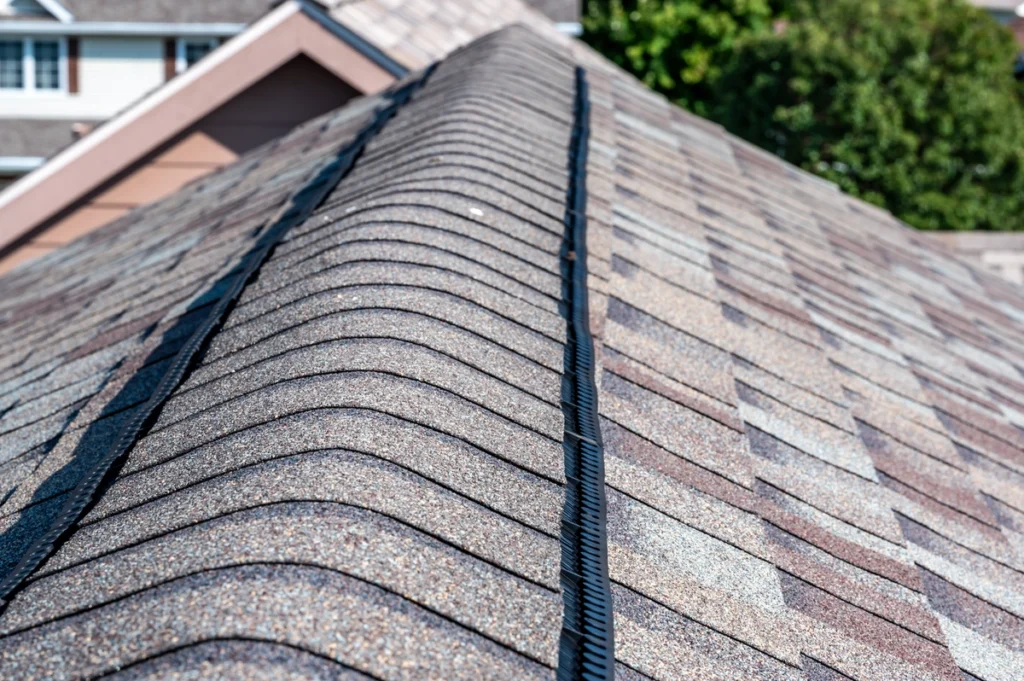
Homeowners and contractors alike often focus on the main field shingles that cover the majority of the roof’s surface. However, an equally important but sometimes overlooked component is the ridge cap shingles. These specialized shingles play a critical role in the roof’s overall performance and aesthetics. In this comprehensive guide, we will talk about the key reasons why ridge cap shingles differ from regular shingles and why they are essential for a well-functioning roof, including:
- Purpose and functionality
- Design and shape
- Material composition
- Installation technique
- Wind resistance
- Aesthetic appeal
- Durability and longevity
- Ventilation integration
- Cost considerations
- Maintenance requirements
???? 10 Ways Ridge Cap Shingles Differ From Regular Shingles

With roofing materials, ridge cap shingles and regular shingles serve distinct purposes and offer unique benefits. Understanding the differences between these two types of shingles can help homeowners make informed decisions about their roofing needs. Below are ten ways in which ridge cap shingles differ from regular shingles.
1. Purpose and Functionality
Ridge Cap Shingles: Ridge cap shingles are specifically designed to cover the ridges and hips of a roof. These are the areas where two roof slopes meet, and they require special attention to ensure proper protection against water infiltration and weather damage. Ridge cap shingles help:
- Provide a watertight seal
- Offer a finished look
Regular Shingles: Regular shingles, also known as field shingles, are used to cover the vast majority of the roof’s surface area. Their primary function is to provide a protective layer against the elements, such as rain, snow, and UV rays. They are laid in overlapping rows to create a barrier that directs water off the roof and into the gutters.
2. Design and Shape
Ridge Cap Shingles: Ridge cap shingles are uniquely designed to fit the contour of the roof’s ridge and hips. They are often pre-bent or scored to allow for easy installation over the peak of the roof. This specialized design ensures that they can form a tight seal and provide a neat, finished appearance.
Regular Shingles: Regular shingles are typically flat and rectangular, designed to lay flush against the roof deck. They are not intended to bend or conform to the sharp angles of the roof’s ridges and hips. As a result, using regular shingles in these areas can lead to improper sealing and potential leaks.
3. Material Composition
Ridge Cap Shingles: Ridge cap shingles are often made from the same materials as regular shingles, such as asphalt, wood, metal, or synthetic materials. However, they may include additional features like reinforced backing or extra adhesive strips to enhance their durability and weather resistance.
Regular Shingles: Regular shingles are available in various materials, each with its own set of characteristics and benefits. Asphalt shingles are the most common, but other options include wood shakes, metal shingles, and synthetic composites. These materials are chosen based on factors like climate, budget, and aesthetic preferences.
4. Installation Technique
Ridge Cap Shingles: Installing ridge cap shingles requires a different technique compared to regular shingles. They are typically installed in a single layer, with each shingle overlapping the previous one to create a continuous, watertight seal along the roof’s ridge. Proper alignment and spacing are crucial to ensure effective water runoff and wind resistance.
Regular Shingles: Regular shingles are installed in overlapping rows, starting from the bottom edge of the roof and working upward. This method creates multiple layers of protection, with each shingle covering part of the one below it. The installation process for regular shingles is relatively straightforward, but it requires careful attention to detail to prevent gaps and misalignment.
5. Wind Resistance
Ridge Cap Shingles: Due to their location at the highest points of the roof, ridge cap shingles are exposed to more wind than regular shingles. As a result, they are designed to withstand higher wind pressures. They often come with enhanced adhesive strips and thicker construction to ensure they stay in place during strong winds and storms.
Regular Shingles: Regular shingles also need to be wind-resistant, but they are less exposed to direct wind forces compared to ridge cap shingles. While high-quality regular shingles can still perform well in windy conditions, they do not typically include the same level of reinforcement as ridge cap shingles.
6. Aesthetic Appeal
Ridge Cap Shingles: Ridge cap shingles contribute significantly to the overall aesthetics of the roof. They provide a clean, finished look to the roof’s edges and peaks, enhancing the home’s curb appeal. Many manufacturers offer ridge cap shingles that are designed to match or complement the color and texture of the regular shingles, creating a cohesive appearance.
Regular Shingles: Regular shingles come in a wide variety of colors, styles, and textures, allowing homeowners to choose an option that suits their aesthetic preferences. While they play a major role in the roof’s overall look, the final appearance is greatly enhanced by the proper installation of matching ridge cap shingles.
7. Durability and Longevity
Ridge Cap Shingles: Ridge cap shingles are engineered to be highly durable, given their exposure to the elements at the roof’s highest points. They often feature reinforced materials and stronger adhesives to ensure they can withstand harsh weather conditions over time. Properly installed ridge cap shingles can significantly extend the life of the roof.
Regular Shingles: The durability of regular shingles depends on the material and quality chosen. High-quality asphalt shingles, for example, can last 20-30 years or more, while metal and synthetic options may offer even longer lifespans. Regular maintenance and timely repairs are essential to maximize the longevity of regular shingles.
8. Ventilation Integration
Ridge Cap Shingles: In many modern roofing systems, ridge cap shingles are integrated with ridge vents to improve attic ventilation. This combination helps regulate temperature and moisture levels in the attic, preventing issues like mold growth, ice dams, and premature roof deterioration. The ridge vent allows hot air to escape, while the ridge cap shingles protect the vent opening from weather intrusion.
Regular Shingles: Regular shingles do not have any specific role in ventilation. However, proper installation and spacing can contribute to overall roof ventilation by allowing air to flow between the shingles and the roof deck. This helps maintain a balanced attic environment and supports the performance of other ventilation components like soffit vents and gable vents.
9. Cost Considerations
Ridge Cap Shingles: Ridge cap shingles can be more expensive per unit than regular shingles due to their specialized design and enhanced features. However, their higher cost is offset by the critical role they play in protecting the roof and ensuring its longevity. Investing in quality ridge cap shingles can prevent costly repairs and extend the life of the entire roofing system.
Regular Shingles: Regular shingles vary widely in price, depending on the material, brand, and quality. While they are generally more affordable per unit compared to ridge cap shingles, the total cost of a roofing project will primarily depend on the overall roof size and the number of shingles required. It’s important to balance cost considerations with the desired level of durability and performance.
10. Maintenance Requirements
Ridge Cap Shingles: Ridge cap shingles typically require minimal maintenance if they are properly installed. However, regular inspections are essential to ensure they remain intact and secure. Any signs of damage, such as cracks or loose shingles, should be addressed promptly to prevent water infiltration and further deterioration.
Regular Shingles: Regular shingles also benefit from routine inspections and maintenance. Homeowners should look for signs of wear and tear, such as curling, blistering, or missing shingles. Keeping the roof clean and free of debris can help prolong the life of the shingles and maintain their protective qualities.
???? Enhancing Roof Performance and Aesthetic Appeal with Dreamworx Exteriors
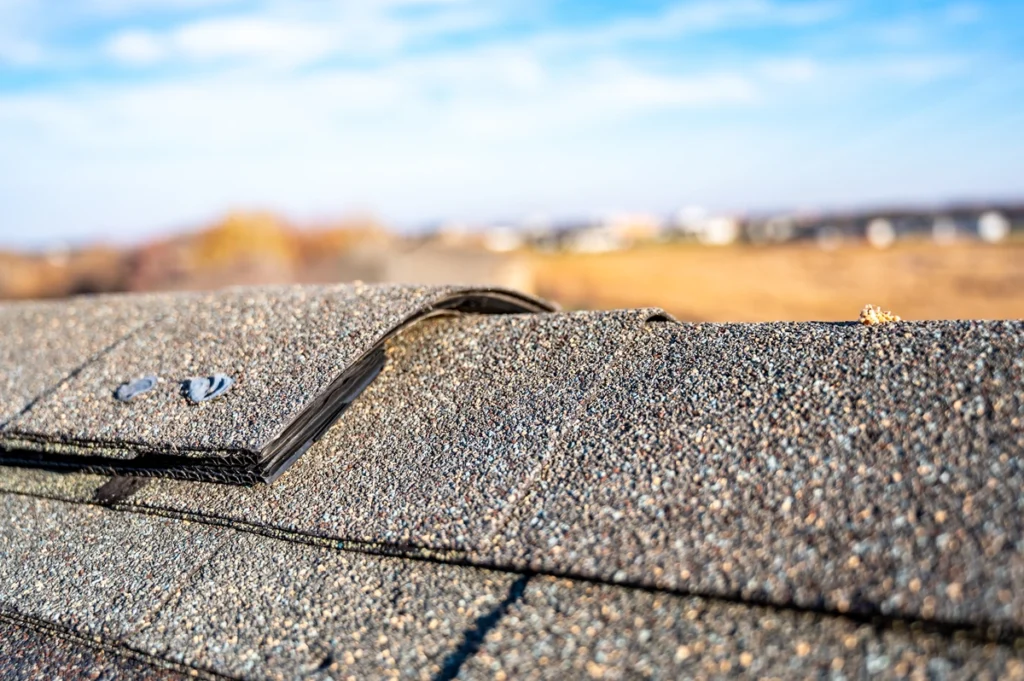
Understanding the differences between ridge cap shingles and regular shingles is crucial for anyone involved in roofing. At Dreamworx Exteriors, our team has the expertise to guide you through these distinctions. Ridge cap shingles play a vital role in your roof’s performance and appearance, providing essential protection at the ridges and hips while contributing to a polished look.
By investing in high-quality ridge cap shingles and ensuring proper installation, we enhance your roof’s durability, weather resistance, and aesthetic appeal, ultimately safeguarding your home for years to come. Trust Dreamworx Exteriors to deliver a well-functioning, long-lasting, and visually appealing roof that protects your home and boosts its value.
Contact us today to schedule a consultation and see how we can elevate your roofing project!
