
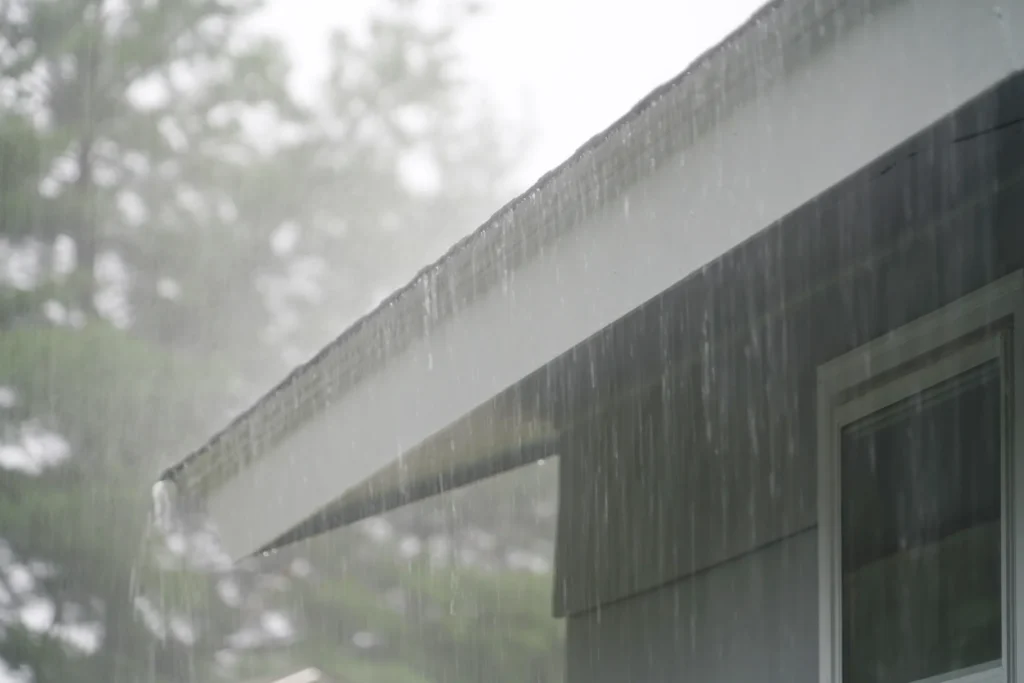
Roofing is an essential part of maintaining your home’s integrity, but doing it in the rain comes with significant challenges and dangers. Whether you’re a homeowner, a roofing contractor, or a DIY enthusiast, this comprehensive blog post will explain why it’s crucial to avoid roofing in wet conditions. We’ll cover various aspects, from the risks involved to practical tips and professional advice to keep your roofing projects safe and efficient, including:
- Understanding the dangers of wet conditions
- The impact on roofing materials
- 5 reasons you should avoid roofing in the rain
- Practical tips for avoiding roofing in the rain
???? Understanding the Dangers of Wet Conditions

Rain doesn’t just make the surface of your roof slippery; it also affects various aspects of the roofing process and the materials involved.
Moisture Absorption: Wood and other porous materials can absorb moisture, leading to swelling, warping, and eventual rot. This can compromise the structural integrity of your roof over time.
Mold and Mildew: Wet conditions provide the perfect environment for mold and mildew to grow. Not only can this damage your roofing materials, but it can also pose health risks to anyone who comes into contact with it.
Reduced Visibility: Rain can reduce visibility, making it harder to see what you’re doing and increasing the likelihood of mistakes. This can be particularly dangerous when working at heights.
Slippery Surfaces: Wet roofs become extremely slippery, increasing the risk of falls and accidents. Proper safety measures and equipment are essential to prevent injuries.
Equipment Malfunction: Rain can affect the performance of tools and equipment, potentially leading to malfunctions or accidents during the roofing process.
Delayed Drying: Wet conditions can prolong the drying time for roofing materials, affecting the installation process and potentially leading to further moisture problems down the line.
Incomplete Adhesion: Certain roofing materials, like adhesives and coatings, may not bond properly in wet conditions, compromising the overall effectiveness and longevity of the roofing system.
Electrical Problems: Rain can lead to electrical issues if water seeps into wiring and fixtures, posing safety hazards and potentially causing damage to roofing systems and equipment.
???? The Impact on Roofing Materials
Different roofing materials react differently to wet conditions, and understanding these reactions can help highlight the importance of avoiding roofing in the rain.
Asphalt Shingles
Asphalt shingles are one of the most popular roofing materials due to their affordability and ease of installation. However, in wet weather, these shingles can become slick and challenging to handle, which poses safety risks for workers. It’s crucial to ensure that asphalt shingles are installed only when dry to achieve optimal adhesion and sealing. This not only enhances the roof’s durability but also prevents issues like leaks that can arise from improper installation. Additionally, regular maintenance and inspections can help prolong the life of asphalt shingles, ensuring they continue to perform effectively over time.
Metal Roofing
Metal roofing is known for its exceptional durability and longevity, often lasting significantly longer than traditional roofing materials. Despite their resilience, metal roofs can become extremely slippery when wet, making installation and maintenance tasks more hazardous. This slipperiness requires extra caution during installation, especially on steep pitches. Moreover, rainwater can impede the proper installation of screws and fasteners, resulting in poor sealing and potential leaks. To mitigate these challenges, it’s advisable to schedule installation on dry days and to use specialized safety equipment to protect workers.
Wooden Shakes
Wooden shakes offer a natural aesthetic that many homeowners find appealing, but they come with their own set of challenges. These shakes can absorb moisture from the environment, leading to swelling and warping, which can compromise the roof’s integrity over time. It’s essential to install wooden shakes when dry to ensure a snug fit and long-lasting durability. Proper sealing and treatment can also help protect against moisture damage and extend the lifespan of wooden shakes. Regular inspections and maintenance are key to preventing issues such as mildew and rot, thereby preserving the beauty and functionality of a wooden shake roof.
????️ 5 Reasons Why You Should Avoid Roofing in the Rain
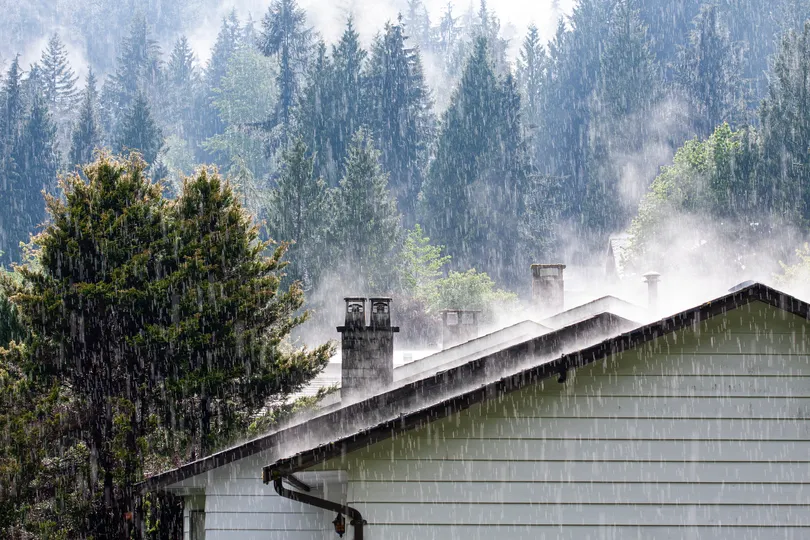
Here are some concrete reasons why roofing in the rain should be avoided:
1. Safety Hazards:
- Increased risk of slips and falls: Wet surfaces can become dangerously slippery, making it easy for workers to lose their balance and fall. This not only poses a risk to the individuals on-site but can also lead to costly delays and potential legal issues for the employer.
- Higher likelihood of electrical shocks: Rainy weather can create hazardous conditions for electrical work. Moisture can cause equipment to short-circuit, and if workers are not careful, they may inadvertently expose themselves to live wires, leading to serious injuries.
2. Material Damage:
- Potential for water absorption and swelling: Many construction materials are not designed to withstand moisture exposure. Wood, for example, can absorb water, leading to swelling and warping, which compromises the integrity of the structure and may necessitate costly replacements.
- Increased risk of mold and mildew growth: Prolonged exposure to damp conditions can create an ideal environment for mold and mildew to thrive. This not only affects the quality of materials but can also pose serious health risks to workers and future occupants of the building.
3. Reduced Work Quality:
- Adhesives may not bond properly: Many adhesives are sensitive to moisture levels, and working in rainy conditions can lead to weak bonds. This can result in structural issues down the line, requiring additional repairs and potentially jeopardizing the safety of the building.
- Shingles and other materials may shift or not set correctly: Roofing materials like shingles require specific conditions to adhere properly. If they are applied in wet conditions, they may not set correctly, leading to leaks and a need for rework, which can be both time-consuming and expensive.
4. Environmental Concerns:
- Water runoff can carry debris into storm drains: Heavy rain can cause runoff that transports construction debris, chemicals, and other pollutants into local storm drains, leading to environmental contamination and potentially harming aquatic ecosystems.
- Wet conditions can delay the project, wasting time and resources: Rainy weather can halt construction activities, resulting in delays that extend project timelines. This not only affects productivity but can also increase costs due to labor and equipment sitting idle.
5. Legal and Insurance Issues:
- Working in unsafe conditions can violate OSHA regulations: OSHA has strict guidelines regarding safety on construction sites. Failing to adhere to these regulations during inclement weather can result in fines and legal repercussions for the company.
- Insurance may not cover accidents that occur in rainy weather: Many insurance policies have clauses that limit coverage based on environmental conditions. If an accident occurs during rainy weather and the conditions were deemed unsafe, the company might face challenges in securing coverage for injuries or damages.
???? Practical Tips for Avoiding Roofing in the Rain
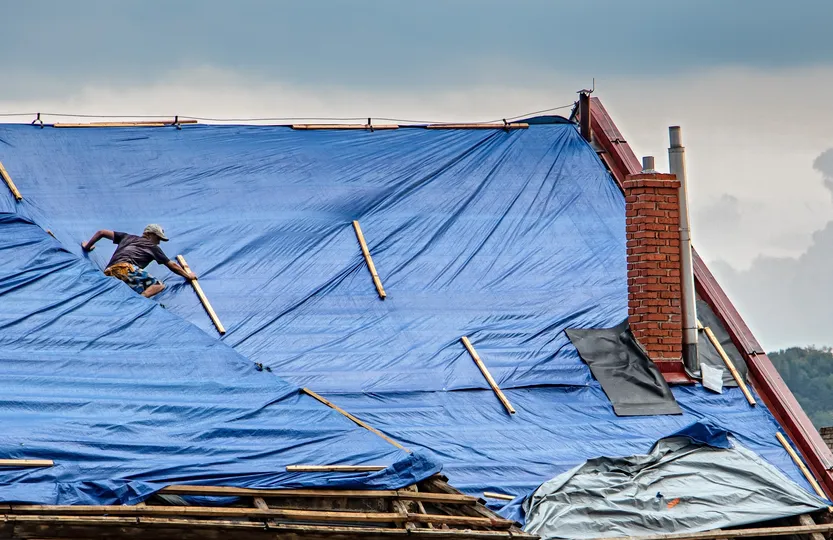
While it’s clear that roofing in the rain is a bad idea, there are steps you can take to avoid it altogether.
- Plan Ahead: Check the weather forecast before starting any roofing project. Choose a time when dry weather is expected, and have a contingency plan in place in case of unexpected rain.
- Use Tarps: If rain is unavoidable, use heavy-duty tarps to cover the area you’re working on. This can help keep materials dry and provide a safer working surface.
- Professional Help: Consider hiring professional roofing contractors who have the experience and equipment to handle roofing projects safely and efficiently, even in less-than-ideal conditions.
???? Ensuring Safe Roofing Projects: The Dreamworx Commitment
Roofing in the rain is fraught with risks and potential complications that can compromise the safety, quality, and longevity of your roof. It’s essential to plan ahead, check the weather forecast, and consider professional help to ensure your roofing project is completed safely and effectively.
At Dreamworx Roofing, we prioritize the safety and satisfaction of our customers. We understand the unique challenges that come with roofing projects and are committed to providing top-notch service, regardless of the weather. Contact us today to schedule your roofing project and experience the Dreamworx difference.
Ready to take the next step? Reach out to our team of experts at Dreamworx Roofing and ensure your home remains safe, secure, and beautiful. Get started with a free consultation today!
